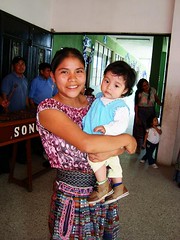
 September 7-13, 2009, Program Director Jose Luis Zarate and International Program Coordinator Jose Carlos Leon visited Coffee Kids' partners APROS and ADESPA in Guatemala.Our first stop was in San Pedro La Laguna, on the shores of Lake Atitlan, where APROS trains local health promoters who teach women in their communities pre- and post-natal care, the use of medicinal plants and the importance of a nutritious diet. APROS Widow’s Project offers medical check-ups, basic food supplies, recreational activities, and a sense of belonging for women who have lost their husbands to migration or civil war.
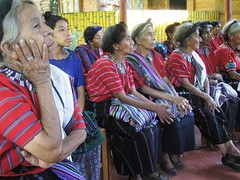 We visited the towns of San Pedro La Laguna, Tzununa and San Pablo La Laguna, where we met with the widows and attended health sessions. Micaela Chavajay, Rosalia Rocche and Maria del Carmen Chavajay, staff at APROS, stressed the importance of these projects in a region where malnutrition is high and medical care is almost nonexistent.On the second half of our journey, we met with Anabella Meneses, director of ADESPA. Anabella introduced us to participants in four projects managed by ADESPA in Acatenango, Paraxaj and the surrounding villages.
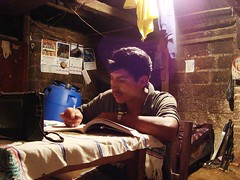 The Adult Literacy Project has been improved to cater to adults who cannot attend regular classes due to work. Radio broadcasts and workbooks are used so that adults can complete learn in the comfort of their own homes. ADESPA’s Bakery Project now employs two fulltime bakers (who were participants in the Literacy Project) who produce fresh bread for the town. The Health Project promotes homeopathic remedies for common ailments. A shoemaker is training women in the Handicrafts Project to make fashionable shoes and sandals.
  Meeting with the participants in their workspaces helped us understand the importance of economic diversity to overcome the economic dependence on coffee production. These projects have given women and men a sense of leadership and the motivation to improve their lives.
