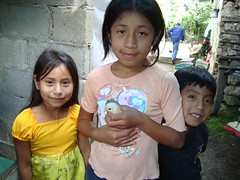
 For seven years, ICSUR has collaborated on a number of projects with indigenous communities in the Zoque region. The technical staff at ICSUR does an impressive job of maintaining excitement for the projects while respecting the preferences and priorities of the communities.They have helped them solicit government funding for local infrastructure and technical staff who support and advise on the cultivation of coffee in the region. Their coffee is sold under the name Cooperativa Federación Selva Negra. Some of ICSUR’s most important work in this area has been helping families create alternatives to coffee and bolster economic independence.
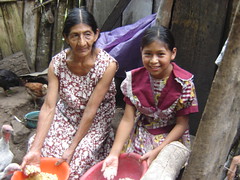 Given the global economic crisis, this year has been especially difficult for Selva Negra. The government has stopped offering financial support for technical staff and the fees associated with coffee certification. Besides this, coffee buyers have had to cancel two large coffee contracts and coffee was sold for national consumption instead of for export. Many families suffered a heavy loss.In moments like these, many families not only suffer a loss of income, but also lose motivation to continue farming coffee. The economic woes have convinced many families of the importance of economic diversification and more and more of them are taking advantage of Coffee Kids-supported projects in chicken-raising and traditional medicines.ICSUR is working with the families to reach their goals so that they can continue farming coffee without being completely dependent on it.Read more about ICSUR’s efforts and see photos on our Flickr page.
 Coffee Kids partners, the Association for Research and Training of Southern Mexico (ICSUR) in Chiapas and FomCafé in Oaxaca are working in rural coffee-growing communities to build capacity and reduce reliance on the annual coffee crop, which does not provide enough income for families. Many of their efforts are also helping families deal with the food crisis.Women and men working with ICSUR in Chiapas are learning to raise and sell mushrooms and chickens to diversify their income and bolster family diets. Women working with FomCafé are learning about organic gardening, cultivating food for their families and selling the surplus locally.“Many of the women commented that thanks to these projects they have access to fresh, organic foods for their families, something they couldn’t afford otherwise,” Zárate said. “The same is happening with the women working with ICSUR in Chiapas. Without these productive projects, it would be difficult to afford meat or eggs.”While food security is the major issue families in Mexico are confronting, ICSUR and FomCafé also promote projects in health care, education and economic diversification.Check out photos from our latest visit on our